
Philip's Changing Relationship with Faith
Of Human BondageThis thread follows Philip from inherited Christianity through disappointed prayer and atheism toward a more personal, unsettled understanding of belief.
increasing Bearing strength in each event
 decreasing
Bearing strength in each eventdecreasingA Religious Inheritance
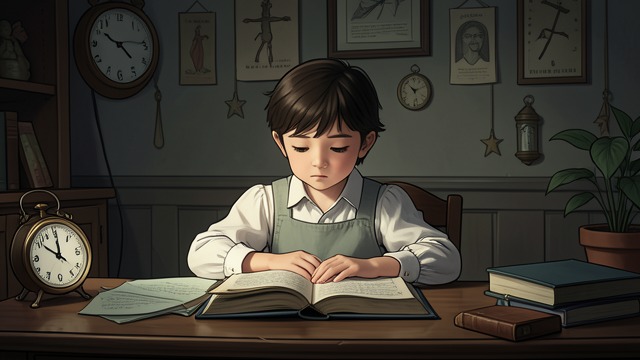
A Religious Inheritance
Philip grows up amid prayers, church services, and the certainty that religious observance is part of a good life. His guardians' faith shapes what he fears and what he imagines he ought to become.
Belief as environment
As a child, Philip does not distinguish inherited doctrine from personal conviction. The routines seem authoritative even when they are uncomfortable or difficult to understand.
The Unhealed Foot
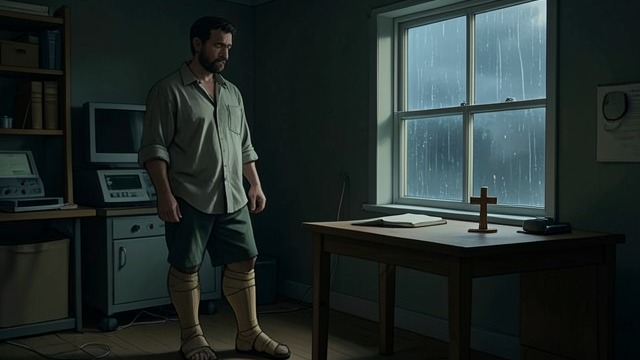
The Unhealed Foot
Philip takes the biblical promise of powerful faith literally and prays for his club-foot to be cured. When the miracle fails to occur, an explanation that blames insufficient faith leaves him confused and hurt.
A first fracture
His disappointment is not yet a complete rejection of religion, but it weakens trust in assurances that appear unmistakable. The episode makes personal suffering harder to reconcile with simple doctrine.
The Failed Calling
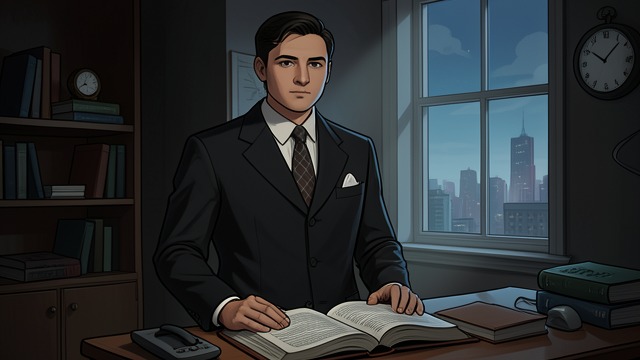
The Failed Calling
Philip's religious enthusiasm rises during confirmation and then fades under the pressure of ordinary experience. His growing knowledge of imperfect clergy also conflicts with the ideal of a life devoted to God.
Experience against doctrine
He becomes unwilling to enter the Church, not because one argument settles the question, but because the life presented to him no longer feels truthful or desirable.
The Loss of Belief
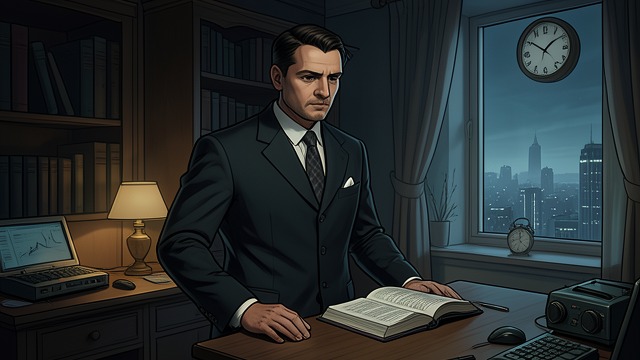
The Loss of Belief
Discussions with Weeks and exposure to other forms of worship lead Philip to see that conviction is shaped by upbringing and place. He suddenly recognises that he no longer believes in God.
Release and fear
The change initially feels liberating, yet it also brings loneliness and fear of punishment. Philip keeps Christian ethics while abandoning the beliefs that had once supported them.
Faith at the Deathbed
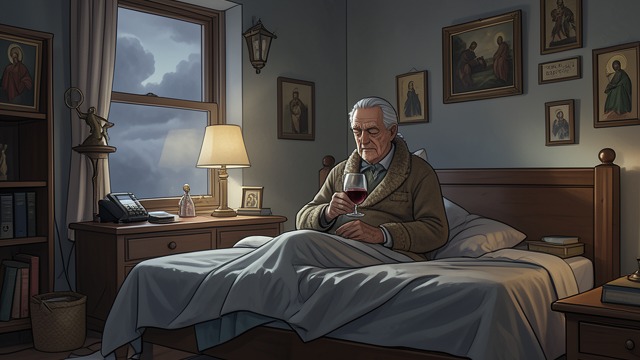
Faith at the Deathbed
Philip sees William Carey terrified by approaching death despite a lifetime of religious certainty. Communion restores the dying man's serenity, and he becomes ready to face death and hopes to rejoin his wife.
A question left open
Philip witnesses the comfort his uncle's faith provides without recovering that faith himself. The scene complicates his skepticism by showing belief as a human resource in extremity.
childhood at the vicarage
a Christmas holiday during Philip's preparatory-school years
during Philip's years at King's School, Tercanbury
during Philip's first year in Heidelberg
near the end, during William Carey's final illness
